

Saint-Amour AOC
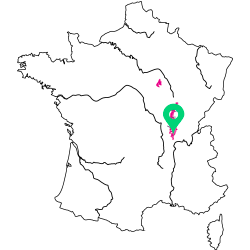
The AOC Saint-Amour is located at the northern end of the Beaujolais region and it is well worth a closer look! Made from the Gamay grape variety, the resulting red wine is seductive and elegant, tender and fruity. To better discover this appellation, savour the vintages of the domaines des Billards, des Chers, Christophe Pacalet or even the domaine des Terres Dorées.
SAINT-AMOUR AOC BESTSELLERS
FLAGSHIP DOMAINES




DISCOVER

reds
Colour: A deep ruby colour with purple tints..
Nose : A clear and intense bouquet emanates from Saint-Amour. Aromas include red fruits such as morello cherry, raspberry and blackcurrant. Notes of peony, peach and apricot also stand out. After several years of cellaring, the aromas of spices and kirsch express themselves more clearly..
Mouth : The palate is elegant and charming. Depending on the vinification method used (long or short), the resulting product will be more or less tender, fine or harmonious..
Serving temperature : Between 14° and 16°.
Cellaring potential : 1 to 4 years.
reds
Game birds and small game, red meats such as beef carpaccio or beef bourguignon. Saint-Amour is also an excellent partner for soft cheeses, or pumpkin and pumpkin puree.

Assistance
Follow us
Location
You are on the shop Great Britain


Alcohol abuse is bad for your health, please consume in moderation.
© 2002-2026 VINATIS
