

CARIGNAN
The red grape variety bursting with fruit
Carignan
Also called Carignane, Carignano, Mazuelo, Bois Dur, Catalan, Plant d'Espagne.
Carignan has been widespread for centuries in the Mediterranean region. Humid climates do not suit it, it likes hot and dry conditions such as Spain where it originates, North Africa, or Central and South America. In France too, it used to be a very widespread grape variety, especially in the South of France, where it was produced in large quantities thanks to its high yields, which for a long time made it a table wine before the 1970s. Neutral and acidic wines that have tarnished its reputation. Now though, grown on old plots of its favourite terroir (clayey-limestone and schist soil), Carignan offers high quality wines. Produced in smaller yields, it now appears in many appellations of Languedoc-Roussillon or Provence in red and rosé wines. As a minority grape, its use also makes it possible to produce Vins Doux Naturels such as Maury, Rivesaltes and Banyuls. It is often blended with Grenache, Syrah and Mourvèdre, bringing colour, warmth and a beautiful structure to the wines. It is appreciated for its aromas of red fruits, spices and garrigue. It gives powerful and generous wines with very good ageing potential.
WHERE IS IT FOUND?
In France and all over the world


MAIN APPELLATIONS
By type of wine: Red, Rosé, VDN
Fitou, Priorat, Rioja, Sardinia

Maury, Rivesaltes, Banyuls
SHALL WE TASTE?
In the glass

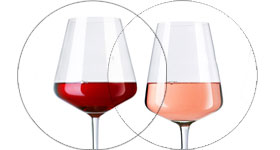
reds
Medium to strong color. Distinguished in blending by its notes of garigue and spices (laurel, wild berries) and sometimes animal elements (leather, fur). Tannic in the mouth with peppery notes. Wines made from old vines with small yields gain in freshness and roundness, which then justifies their vinification alone.

ROSés
More fruity than Grenache, it brings body and suppleness with its generous aromas, whose typical and wild scents are recognizable.

sweet wINES
Sweet wines of character, these liqueur wines can be kept for a long time. With a tiled to amber colour, they keep the power of the sun-drenched fruit.
FOOD AND WINE PAIRINGS
Carginan and food
reds
Ideal partner for spicy dishes (moussaka, tagine, tian, couscous). Giblets, black pudding, meat in sauce (leg of lamb)...
Rosés
Raw vegetables, cold meats, fried fish, red-fleshed fish (tuna, swordfish), red meat (braised beef), ratatouille, stuffed vegetables
sweet wINES
Foie gras, blue-veined cheese. Fruity desserts (yellow or white fruits).
OUR CARIGNANS...

Assistance
Follow us
Location
You are on the shop Great Britain


Alcohol abuse is bad for your health, please consume in moderation.
© 2002-2026 VINATIS
