

Prosecco
Find out our selection.
Brut, extra dry or dry? Valdobbiadene or Treviso? A special bottle or prosecco for spritz? We'll help you choose the right bottle for the right moment!
Sparkling, joyful, irresistibly Italian: in just a few years, Prosecco has become one of the most popular sparkling wines in the world. An essential ingredient in the famous Spritz cocktail, this effervescent Italian wine is not limited to mixology, quite the contrary! Perfect as an aperitif or with a meal, this Italian sparkling wine has made diversity its strength and is now exported all over the world. But with so many labels to choose from, it can be difficult to know where to start. Brut, extra dry or dry? Valdobbiadene or Treviso? A bottle for special occasions or prosecco for spritz? Not all sparkling wines are created equal, and each has its own occasion. Here is our buying guide to help you choose the right bottle for the right moment – and above all, for your enjoyment!
Find out our selection.
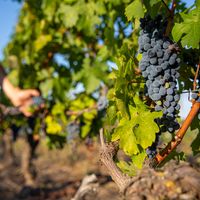
Prosecco, which originated in northern Italy between Veneto and Friuli, is a sparkling wine made primarily from the Glera grape variety. Grown on steep hillsides, Glera produces generous bunches of grapes that give Prosecco its distinctive fruity and floral character.
The appellation area is organised into two main quality levels: Prosecco DOC, which is more widespread and accessible, and the highly renowned Prosecco Superiore DOCG, produced exclusively in the Conegliano-Valdobbiadene and Asolo terroirs. The steep slopes of these hills require heroic viticulture, often manual, which contributes to the excellence of the wines produced in these areas.
The vinification method used, known as the Charmat or Martinotti method, involves inducing secondary fermentation in closed tanks, which preserves the primary aromas of the grapes: pear, green apple, white flowers, and sometimes even a hint of almond or honey, depending on the terroir. This is what distinguishes Prosecco from Champagnes and Crémants vinified using the traditional method.
Although their bubbles are sometimes confused, prosecco and champagne actually have very little in common. Everything sets them apart: location, method, grape varieties, characteristics, and even the logic behind their appellations.
Champagne, strictly produced in the eponymous region in northern France, is classified according to a hierarchy of crus (Premiers Crus and Grands Crus), which refer to specific villages within the appellation. Prosecco, on the other hand, has a three-tier hierarchy: Prosecco DOC, Asolo Prosecco DOCG, and the highly renowned Conegliano-Valdobbiadene Prosecco Superiore DOCG, some vintages of which may bear the designation ‘Rive’ or ‘Cartizze’.
In terms of production methods, as mentioned above, champagne follows the champenoise method (or traditional method), with a second fermentation that takes place in the bottle, ageing on lees and several years of ageing. All these steps give champagne its unique aromatic complexity, very fine bubbles and excellent ageing potential. Prosecco, on the other hand, favours the Martinotti-Charmat method: a second fermentation in closed tanks, which is faster and preserves all the freshness of the Glera grape variety while giving the final wine light and lively bubbles.
Another notable difference is the terroir. Whereas champagne derives its minerality from the chalky soils of the Marne or Aube regions, prosecco draws its freshness from the clay-limestone soils and sunny hillsides of Veneto. Finally, the range of dosages differs: Italian sparkling wine is often brut or extra dry, while champagne explores a whole range from extra brut to sweet.
Find out our selection of fizz
First and foremost, remember that prosecco should be served between 6 and 8 °C. If it is too cold, it will lose its aromatic finesse; if it is too warm, it will seem flat and unbalanced. To reveal its youthful freshness, it is best to use a tulip-shaped white wine glass rather than a narrow flute. This allows the aromas to express themselves better and the bubbles to be released gradually. And although prosecco is drunk young, it should not be consumed in a hurry: take the time to smell it, savour it and pair it with the right food at the right moment.
Once the bottle has been opened, remember to recork it and store it in the refrigerator. Ideally, it should be enjoyed within 24 hours, both for its freshness and effervescence.
In the glass, a good prosecco first seduces with the finesse of its bubbles, which are persistent but never aggressive. Its colour is very pale, often tending towards light yellow or light green. On the nose, it reveals a delicate bouquet of white flowers, fresh pear, Granny Smith apple, and even peach or melon. On the palate, the magic happens when everything is in perfect balance: the fruit should express itself without heaviness, the bubbles should caress the palate, and the whole should leave an airy impression.
The dosage, i.e. the amount of residual sugar, plays a key role here. Three styles dominate: brut prosecco has a dry, crisp profile; extra dry is rounder and is the most widely sold version worldwide; and dry, despite its name, is a sweeter version of this Italian sparkling wine.
The diversity of Prosecco styles makes it a very versatile sparkling wine. Highly acclaimed by enthusiasts for its ability to suit all occasions, Prosecco is unrivalled in its category.
For an aperitif, opt for an extra dry DOCG from Valdobbiadene, which is wonderful with antipasti and mild cheeses. To accompany brunch or a cold buffet, choose a fresh brut, which is ideal with savoury dishes such as quiche, seafood salad or crostini.
Are you looking for a bottle to open for a special occasion? Consider the vintage wines of the Superiore DOCG appellation. Some producers also offer ‘Rive’ (specific vineyard designation) or ‘Cartizze’ (the Grand Cru of Prosecco, from a micro-terroir of 1 km² in Valdobbiadene) versions.
Conversely, for an evening with friends, a simple, fruity prosecco– but well chosen – will do the trick!
You will find a wide selection of prosecco for all occasions on our website.
It is impossible to talk about prosecco without mentioning the most famous Italian cocktail: the Spritz. Created in Venice, this iconic drink combines prosecco, Aperol (or another bitter liqueur), sparkling water and a slice of orange. Its slightly bitter freshness makes it a favourite on summer terraces.
For a balanced Spritz, it is best to choose an extra dry prosecco, whose controlled sweetness compensates for the bitterness of the Aperol. Avoid dry prosecco, which would have the effect of ‘hardening’ the whole.
And if you're worried about staying within your budget when making your own recipe, you'll find beautifully crafted DOC prosecco at reasonable prices on our website.
Find out our selection of Italian wines
In addition to Spritz, Prosecco is an ideal base for many cocktails. Bellini, Hugo, Rossini... These Italian creations feature fruit, floral liqueurs or syrups. The Italian sparkling wine adds a refreshing and thirst-quenching touch!
To create your own recipe, choose a lively, accessible prosecco with good aromatic structure. Young DOC vintages are ideal. A word of advice: choose an extra dry version for roundness, unless you are already adding sweet ingredients to the cocktail, in which case a brut will bring more freshness.
And since mixology is not usually a solitary activity, why not organise a cocktail workshop at home, with several types of prosecco to compare according to the recipes? This is an excellent way to discover the full potential of Italian wine, while having fun.
If you are watching your sugar intake and/or want to moderate your alcohol consumption, you should know that prosecco, in its ‘brut’ version, is one of the lowest-calorie wines. This relative lightness is partly due to its vinification method and moderate alcohol content (around 11%). Of course, this does not apply if the prosecco in question is used to make a cocktail, as these are much sweeter than a glass of wine!





Our Prosecco Selection

By subscribing I agree to receive the Vinatis newsletter.
I am aware that Vinatis has implemented a personal data protection policy, which can be accessed here, and that I may unsubscribe at any time via the unsubscribe link included in every newsletter.
This site is protected by reCAPTCHA and the Google Privacy Policy and Terms of Service apply.
Assistance
Follow us
Location
You are on the shop Great Britain


Alcohol abuse is bad for your health, please consume in moderation.
© 2002-2026 VINATIS


